Identify plant by picture online free
Learn how to identify a plant by picture using free online methods. Clear photos, the right angles, and basic botanical terms will get accurate results for garden, lawn, tree, grass, or mushroom finds.
Quick facts
- Naming
- binomial nomenclature
- Rules
- International Code of Nomenclature
- Origin
- 1753
- Reference
- herbarium specimen
- Leaf shape
- ovate
How photo identification works
A useful identification starts with one or more clear photos that show diagnostic features: a close-up of a leaf, the flower, any fruit or seed, and the overall habit of the plant. Online scanners and reverse-image tools compare visible patterns, color and shape to reference images in databases. For fungi, include pictures of cap, gills and stem; for trees include bark and whole-crown shots; for grasses include blade and seedhead. If you can supply a location and growth habit (for example, lawn, garden, or roadside), many tools narrow results faster.
Photos to take: concrete checklist
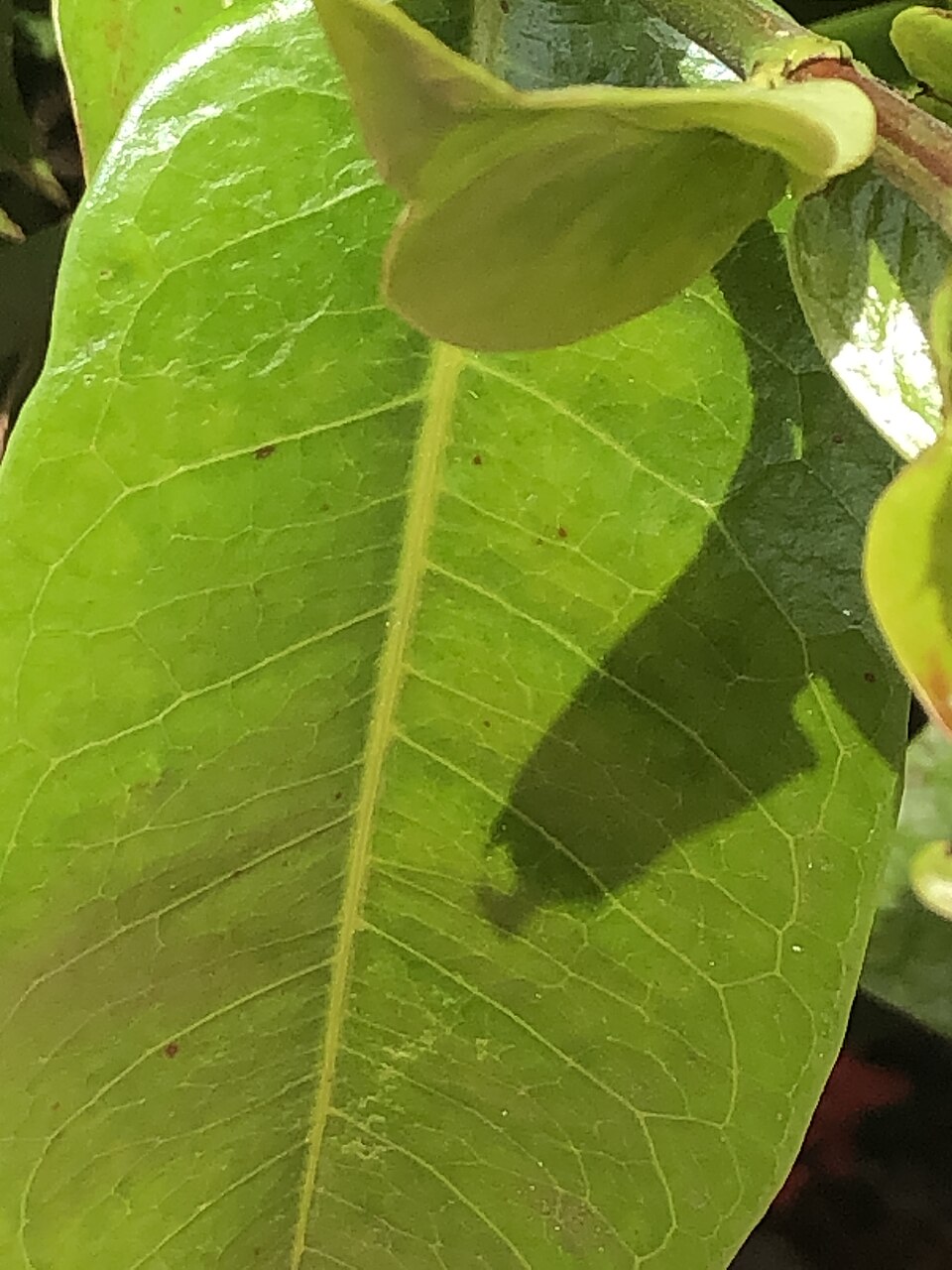
1) One close-up of a leaf showing the margin and central vein. Include a ruler or coin for scale. 2) One photo of the flower from the front and one from the side. 3) One image of the whole plant or clump to show growth form. 4) For trees, include bark and leaf clusters; for grasses, include the seedhead. Use natural light, avoid motion blur, and take multiple angles. Note leaf shape terms like ovate when you describe the image; that helps users and keys.
Free online options and community help
Start with a reverse-image search to find visually similar pictures, then use plant ID forums, social media groups, or citizen science platforms where volunteers and experts can weigh in. Field guide websites and local extension services accept photos for ID, and some forums let you attach multiple images so others can inspect leaf, flower and habitat together. Community answers often point to a herbarium specimen or published description to confirm an uncertain match.
When photo ID may be insufficient
Photos can miss microscopic or reproductive characters needed for a secure name. Formal botanical naming follows binomial nomenclature and the International Code of Nomenclature; many accepted plant names trace back to 1753 as a starting point. If you need a definitive identification for research, sale, or regulation, experts often request a voucher such as a pressed herbarium specimen or genetic testing. Also watch for look-alikes: several species can share a similar leaf shape, flower color, or overall habit.
If you want an automated scan
Automated scanners work well for quick IDs and for tracking garden or lawn health, but combine machine suggestions with a short checklist: check the suggested name against images of leaf, flower and fruit, compare the result to local flora, and confirm that the described habitat matches where you found the plant. For a fast automated scan, try Plant Identifier.
Common questions
- Can I identify any plant from a single photo?
- Sometimes. A single clear photo that shows a distinctive flower or fruit can be enough. More often you need several views—leaf, flower, fruit, bark or whole plant—because many species look similar in one view.
- What should I include if I want a reliable name?
- Include multiple photos (leaf, flower, whole plant), a note on where it was growing (garden, lawn, forest), and any scale. If a precise scientific name is required, experts may ask for a herbarium specimen or other voucher material.
- How do botanical names work?
- Plants are given a two-part scientific name under binomial nomenclature and the assignment of names follows rules set by the International Code of Nomenclature. Many modern plant names trace their origins to publications beginning in 1753.
- Why does leaf shape matter?
- Leaf shape is a consistent, visible character used to separate species. Descriptions often use terms like ovate, lanceolate, or cordate; using the correct term narrows identification options quickly.